|
|
|
JULY 2026 EMAIL NEWSLETTER
European Federation of Societies for Ultrasound in Medicine and Biology
|
|
|---|
|
EUROSON 2026, Lublin Poland
|
|
|---|
|
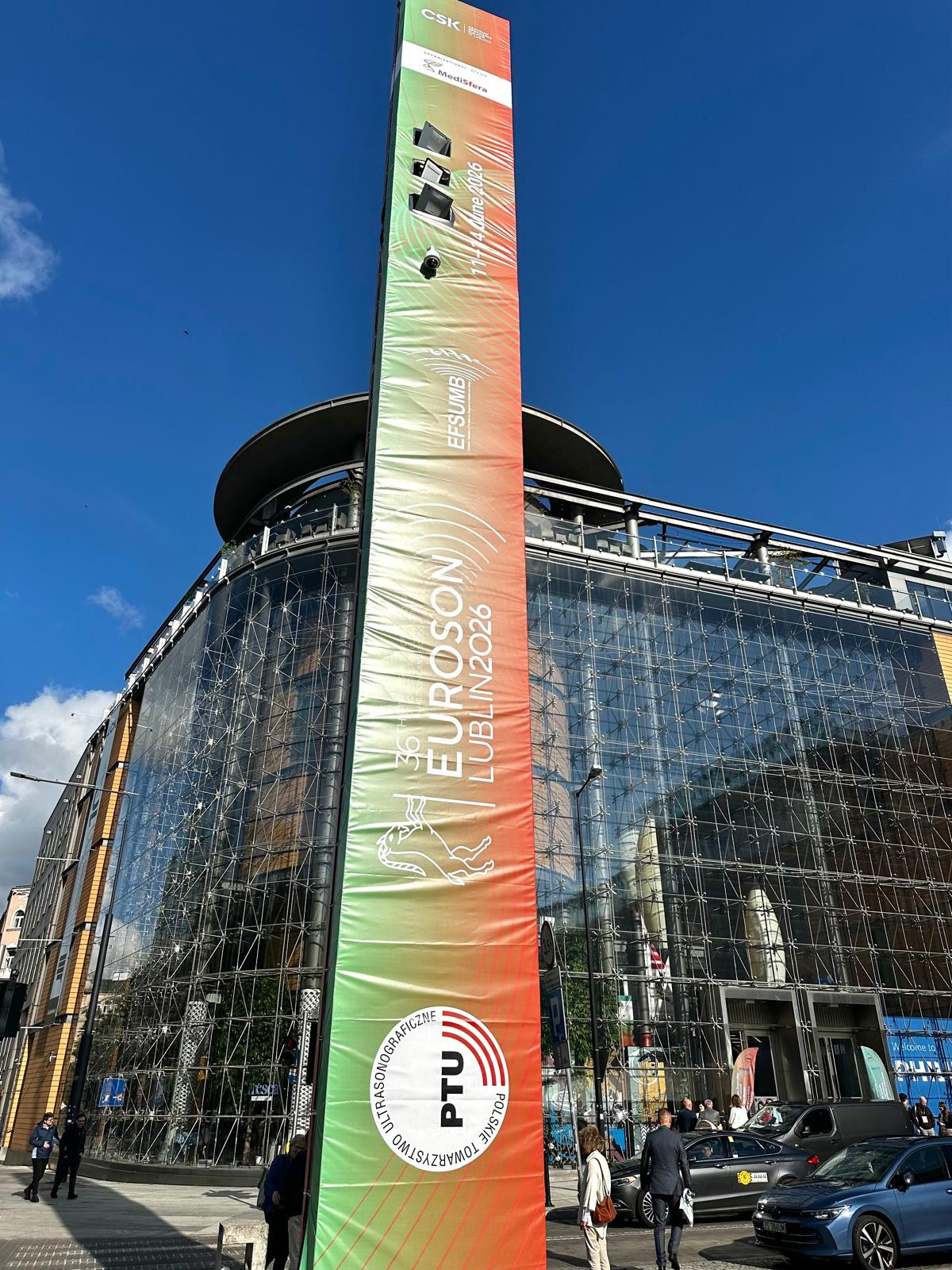
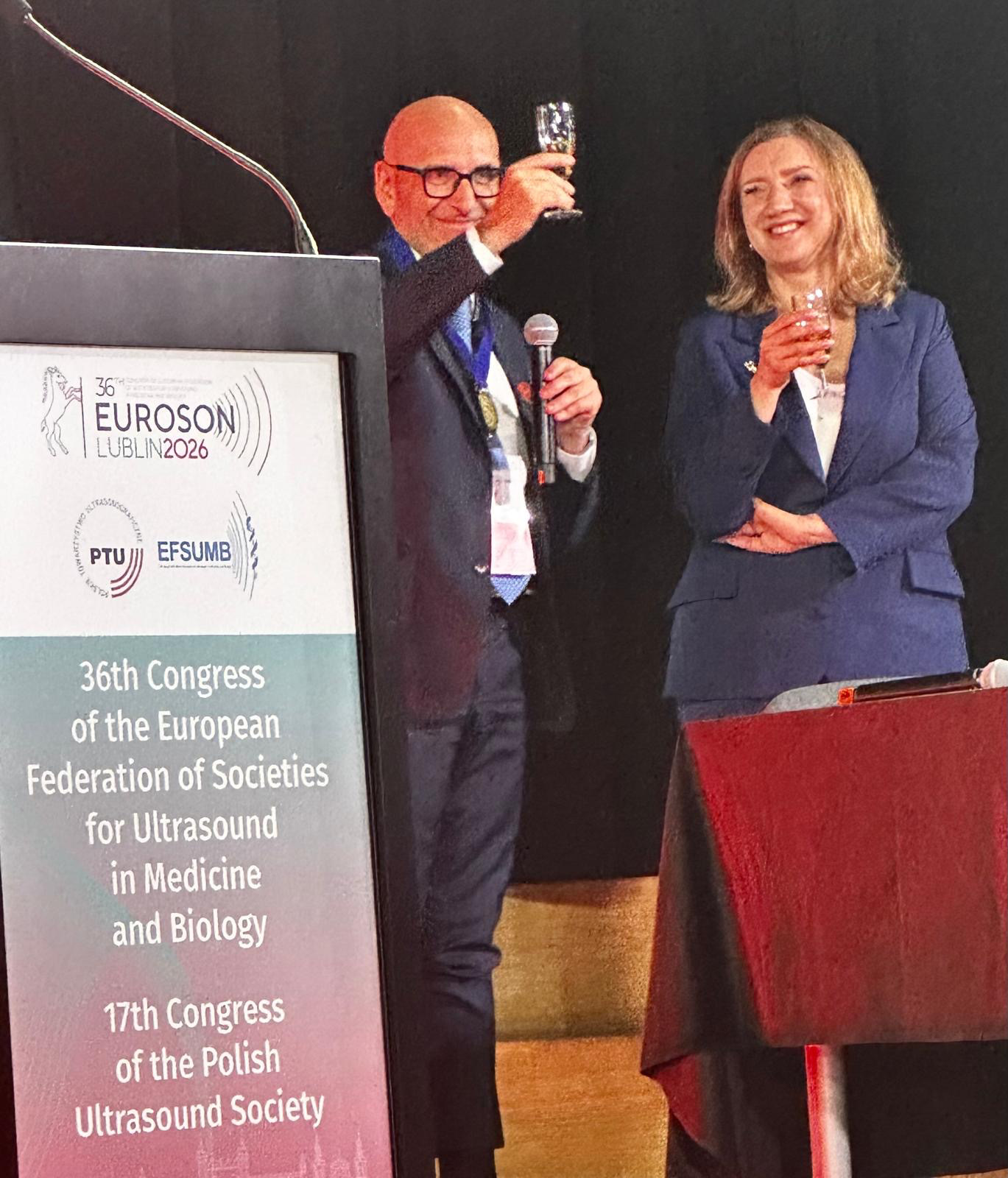
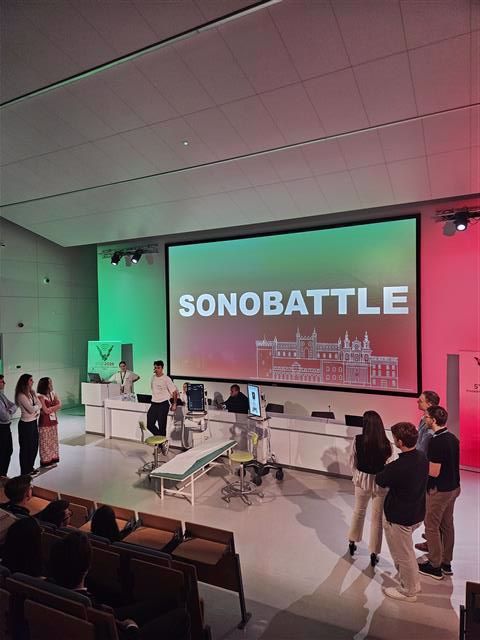
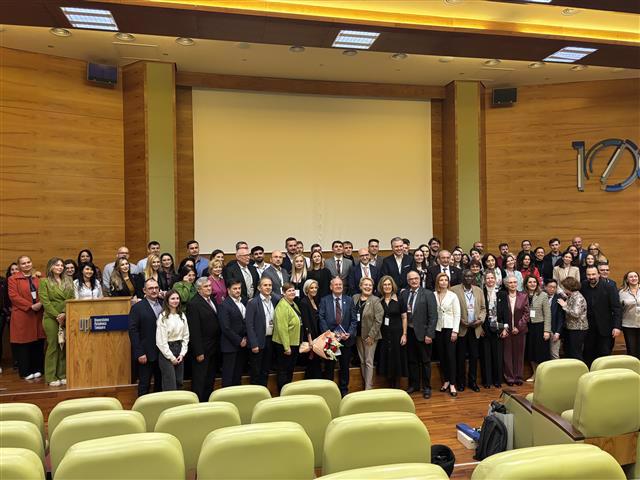
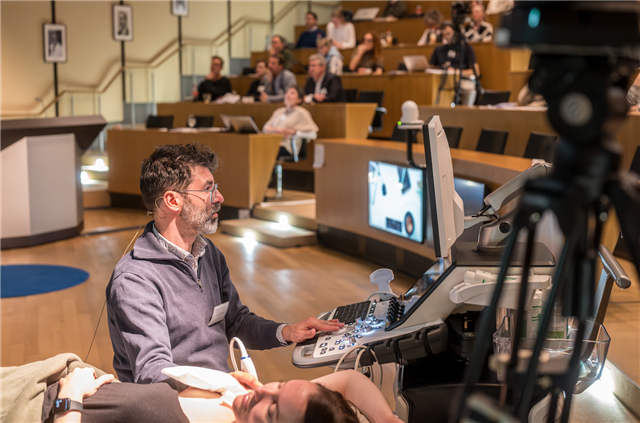
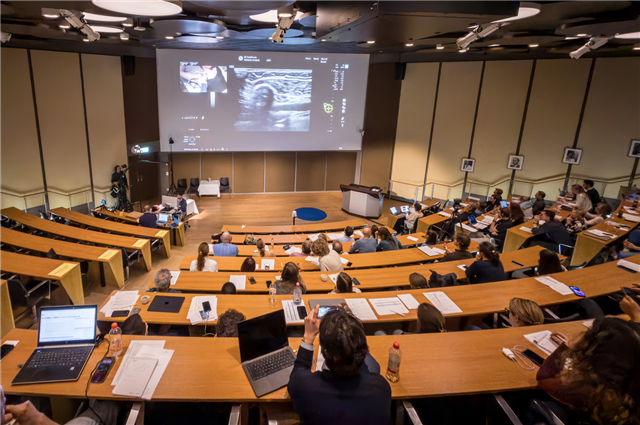
The European Federation of Societies for Ultrasound in Medicine and Biology (EFSUMB), together with the Polish Ultrasound Society, successfully hosted EUROSON 2026 in Lublin, Poland, from 11–14 June 2026.
The congress once again demonstrated EUROSON’s position as one of Europe’s leading ultrasound meetings, bringing together clinicians, researchers, educators, sonographers and industry partners from across the continent to exchange knowledge and explore the latest advances in diagnostic and interventional ultrasound.
- 1030 participants (110 of whom were students) from many countries including USA, Canada, China and Korea
- 50 reduced registrations for Ukrainians with 15 free places
- 125 abstracts (35 oral presentations, 38 posters)
- Some Polish sessions for the Polish 300 participants
- 12 SonoCaves
- 5 lunch symposia
- Many hands-on opportunities
|
|
|---|
|
Young EFSUMB were also well represented through the Student Ultrasound Congress (STUC 2026), held immediately before the main congress. The two-day programme combined lectures, practical workshops, case presentations and competitions, providing an excellent platform for medical students interested in developing their ultrasound knowledge and skills.
A successful congress once again reinforced EFSUMB’s commitment to promoting excellence in ultrasound education, research and clinical practice while strengthening collaboration between national societies throughout Europe.
If you want to relive the memories or see what you missed - view the photo gallery linked below.
|
|
|---|
|
Winner of the 2025 Young Investigator Competition
|
|
|---|
|
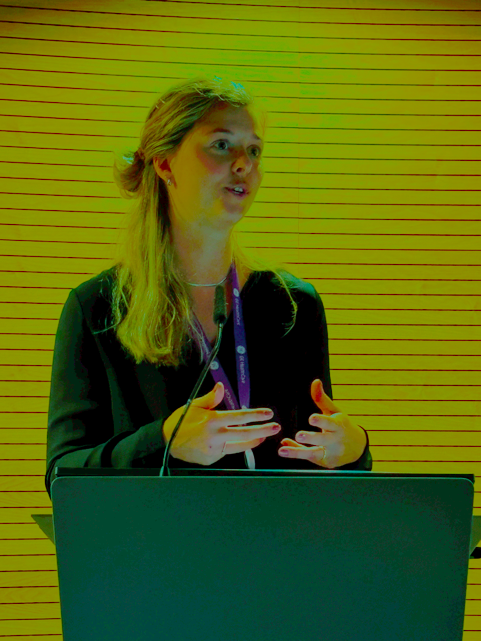
Janna Ruisch
Medical Ultrasound Imaging Center, Radboud University Medical Centre, The Netherlands
Towards personalized risk assessment of carotid artery stenosis using ultrasound-based velocity vector imaging
ABSTRACT
Background
Stroke remains a leading cause of death and disability, with up to 20% arising from carotid plaque rupture [1]. Current risk stratification poorly predicts stroke risk, and patients remain vulnerable to restenosis and recurrent events even after carotid endarterectomy (CEA).
|
|
|
|---|
|
|
As blood flow plays a central role in atherosclerosis, carotid flow patterns may offer patient-specific risk indicators. We developed ultrasound-based velocity vector imaging (US-VVI) for detailed blood flow mapping [2] and applied it across a spectrum of carotid bifurcation conditions to study how flow patterns relate to atherosclerotic progression and stroke risk.
Methods
I conducted multiple clinical studies examining carotid flow patterns using visual assessment and flow-related metrics, including vector complexity, vortex presence, and wall shear stress (WSS). First, US-VVI was validated against 4D-flow MRI, and flow patterns were characterized in twenty healthy carotid arteries. Second, US-VVI was performed in 85 asymptomatic stenotic carotid arteries to identify atheroprone or rupture-prone flow characteristics, during two-year follow-up. Finally, flow patterns were characterized in the carotid bifurcation of 70 patients before and after CEA, combined with histological evaluation of plaque-vulnerability.
Results
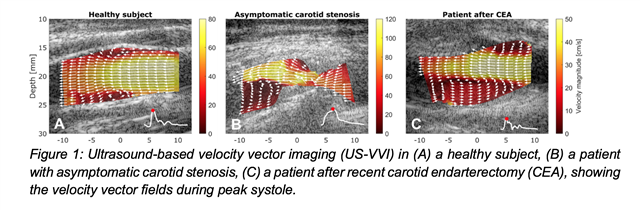
US-VVI demonstrated good agreement with 4D-flow MRI [3], uniquely detected small short-term recirculating regions not captured by 4D-flow MRI, and confirmed complex hemodynamics in non-diseased arteries (Fig.1A)[4]. In 38.2% of asymptomatic carotid stenosis cases, atheroprone flow features were found, with location driven by jet direction, and marked by higher vector complexity, more and longer vortices, and elevated oscillatory WSS (Fig.1B). Post-operative analysis showed vortical wall-adjacent flow in 43.3% of patients and unstructured, multi-directional flow in 35%. Both conditions were associated with atheroprone flow characteristics, with vortical flow likely influenced by post-operative lumen width and jet-inflow direction (Fig.1C).
Conclusions
US-VVI was successfully applied to relatively large cohorts spanning multiple carotid conditions. Flow patterns relevant to atherosclerosis were identified, highlighting its potential for personalized risk assessment in carotid artery stenosis.
|
|
|---|
|
References
[1] van Velzen, T.J., et al., BMC Neurol, 2021. 21(1):20.
[2] Saris, A.E.C.M., et al., Ultrasound Med Biol, 2019. 45(7): p1691-1707.
[3] Ruisch, J., et al., Ultrasound Med Biol, 2025. 51(6): p969-976.
[4] Ruisch, J., et al., IEEE TUFFC, 2025. 72(3): p309:320.
|
|
|---|
|
Winner of the 2026 Young Investigator Competition
|
|
|---|
|
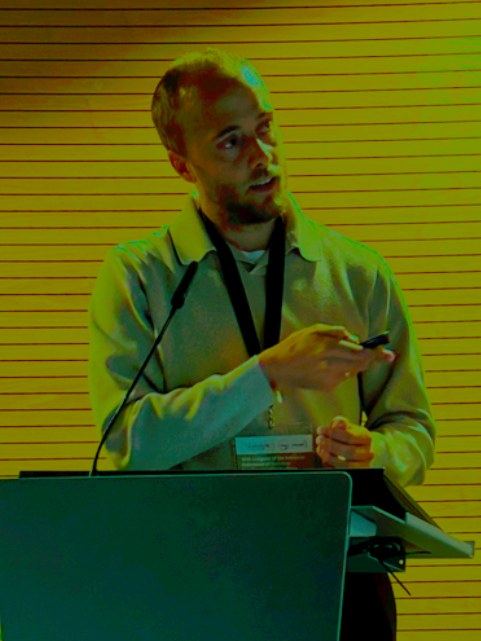
Daniel Julius Lauritzen
Department of Otorhinolaryngology, Head and Neck Surgery and Audiology, Rigshospitalet, Copenhagen University Hospital, Copenhagen, Denmark
Margin Assessment Using 3D Ultrasound Compared with MRI in Oral Cancer Surgery
ABSTRACT
Introduction
Inadequate surgical margins in tongue squamous cell carcinoma are associated with poorer oncologic outcomes. Frozen section analysis is commonly used intraoperatively but is limited by sampling error and inability to measure margin distance. |
|
|
|---|
|
|
Three-dimensional (3D) imaging of resected specimens may enable more accurate intraoperative assessment of margins.
Methods
In this prospective diagnostic accuracy study, patients undergoing primary resection for T1–T3 tongue squamous cell carcinoma were included. Immediately after resection, specimens underwent ex vivo scanning with 3D ultrasound followed by MRI prior to formalin fixation. Imaging measurements of the deep margin were compared with final histopathology. The primary outcome was the difference between imaging-based and histopathology-based deep margin measurements.
Results
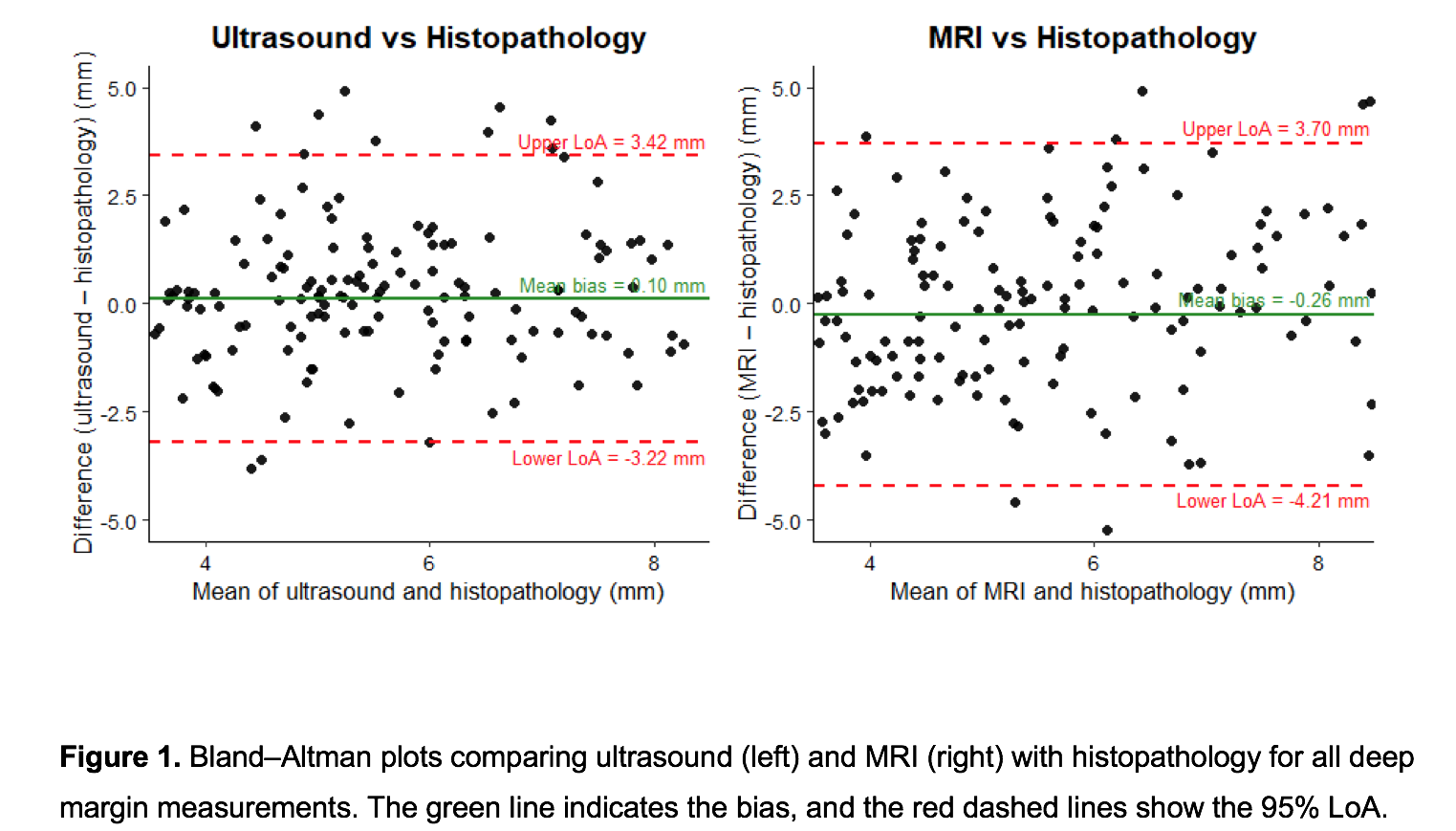
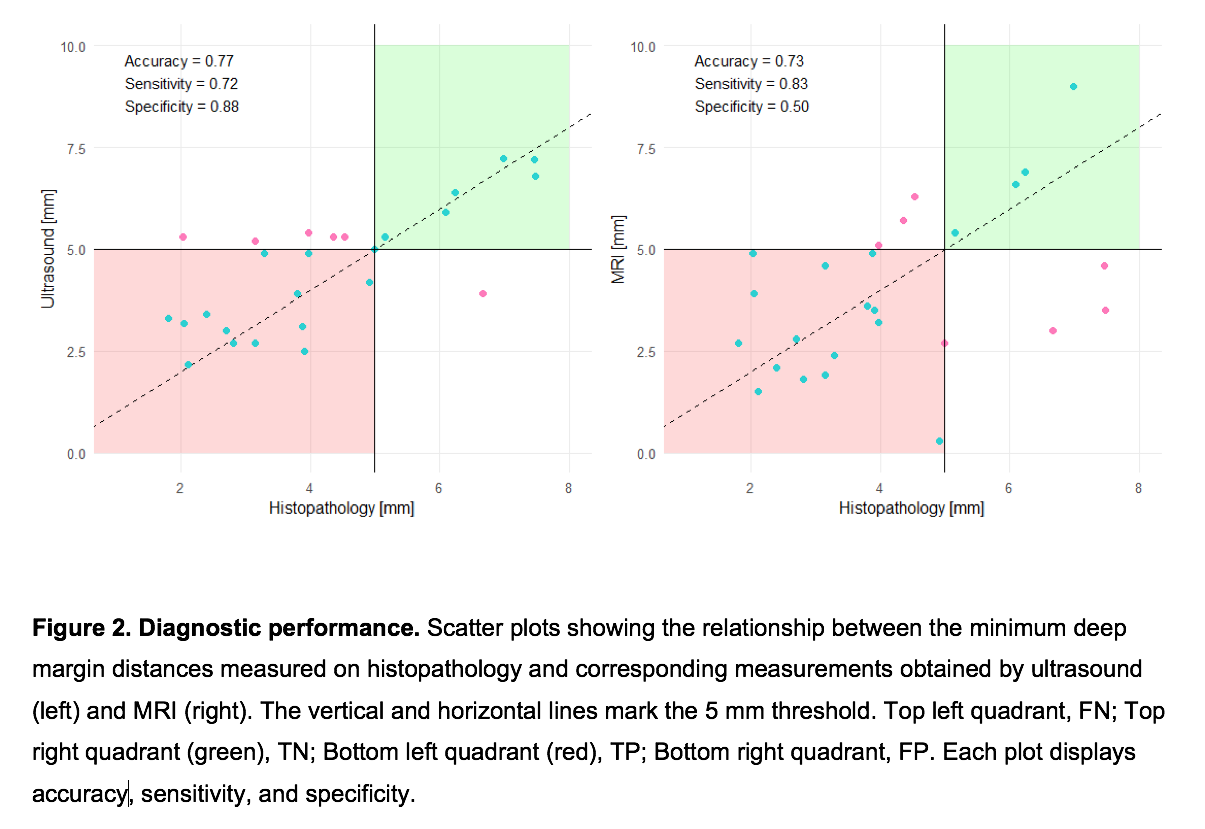
Twenty-six patients contributed 175 matched ultrasound–MRI–histopathology slice pairs. Ultrasound measurements were significantly closer to histopathology than MRI (mean absolute difference 0.9 ± 0.8 mm vs 1.5 ± 1.3 mm; p = 0.02) and demonstrated narrower limits of agreement (Figure 1). Overall accuracy for predicting final margin status was 77% for ultrasound and 73% for MRI (Figure 2). Compared with frozen section–based intraoperative assessment, 3D imaging may improve margin assessment by 50%–57%.
Conclusions
Ex vivo 3D imaging enables accurate intraoperative assessment of deep margins in tongue cancer surgery. Three-dimensional ultrasound demonstrated higher agreement with histopathology than MRI and may represent a practical modality for intraoperative decision-making. Further studies should evaluate whether imaging-guided margin assessment improves oncologic outcomes.
|
|
|---|
|
Winner of the Best Published Paper Prize
|
|
|---|
|
Dr. med. Johannes Weimer, Germany
Paramedics Performed Sonographic Identification of the Conic Ligament-A Prospective Controlled Trial
Published: Diagnostics (Basel). 2025 May 21;15(10):1296. doi: 10.3390/diagnostics15101296
|
|
|---|
|
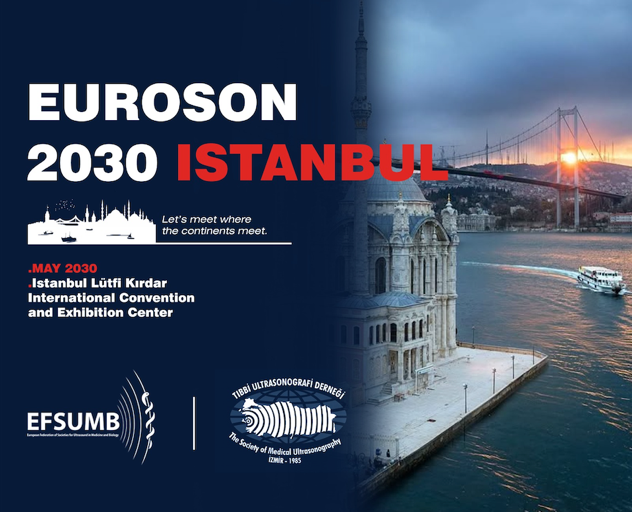
Winner of the bid to host EUROSON 2030
|
|
|---|
|
STUC 2026 in Lublin: Empowering the Next Generation - The 3rd Student Ultrasound Congress in Lublin
|
|
|---|
|
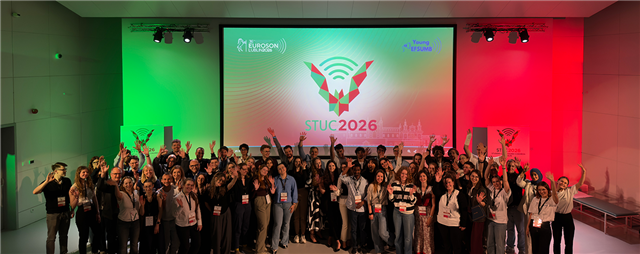 |
The 3rd Student Ultrasound Congress (STUC) 2026 has officially wrapped up, concluding two intensive and inspiring days in Lublin, Poland! Affiliated with the EUROSON congress, the event was organized by Young EFSUMB with the generous support of EFSUMB, Polish Ultrasound Society and industrie.
Hosted in the Simulation Center of the Medical University of Lublin—widely regarded as one of the premier facilities of its kind in Europe—the event welcomed 113 enthusiastic participants.
The program was carefully designed to offer high-quality education for all skill levels.
For those newer to the field, the congress provided a solid foundation in ultrasound techniques. Participants attended engaging lectures by leading European sonographers and gained crucial first-hand experience during small group, hands-on training sessions. At the same time, experienced students were able to look beyond the basics in our advanced tracks, which focused on specialized techniques such as Contrast-Enhanced Ultrasound (CEUS) and Elastography.
|
|
|---|
|
|
|
|
A major highlight of the educational program was the opportunity for students to examine real patients in the hospital of Lublin, bridging the gap between simulation and clinical practice.
Alongside the academic schedule, STUC 2026 brought plenty of energy and community spirit. To kick off the second day, Young EFSUMB organized a unique "morning coffee rave" right in the simulation center. DJ Dutty Fresh fired up the crowd, getting everyone perfectly energized before diving back into the exciting sessions.
|
|
|---|
|
|
The congress concluded on a high note with a lively closing celebration—the Sonofiesta—where participants, tutors, and professors could celebrate their shared passion for ultrasound.
We want to extend our deepest gratitude to the professors and tutors who constantly supporting Young EFSUMB!
📍 What’s Next? Save the Dates!
Summer School 2027: We are already looking forward to our next big event! Join us at the European Student Summer School 2027 in Timișoara.
STUC 2028: See you in Bilbao, Spain, for the 4th Student Ultrasound Congress!
Thank you to everyone who made STUC 2026 a success.
|
|
|---|
|
EFSUMB Endorsed Ultrasound Courses in East Africa
|
|
|---|
|
By Foundation SmW Switzerland – SONO FOR AFRICA
at Meru Teaching & Referral Hospital, Kenya
In cooperation with Meru University of Science & Technology (MUST) and
Kenya Methodist University Meru (KeMU)
|
|
|---|
|
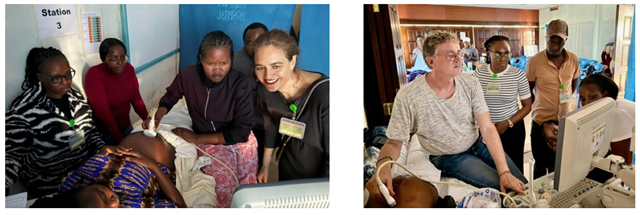
Many developing countries have made significant progress in the social, education, and health sectors in recent decades, as measured by life expectancy, illiteracy, and fetal and maternal mortality. Following the pandemic and recent geopolitical changes, these advances are under threat due to cuts in donor countries' development budgets. This makes NGO support all the more important.
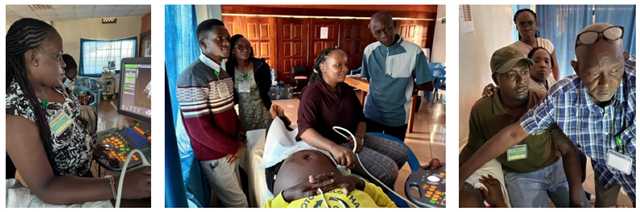
Foundation SmW – SONO FOR AFRICA – is supporting doctors, sonographers and midwives in the education of sonography. More than 60 courses with over 2000 training places in obstetrical, abdominal and emergency sonography were organized. Since 2022 Foundation SmW which is a very small private Swiss institution offers in cooperation with two universities at Meru Teaching and Referral Hospital (MeTRH) in Kenya courses in sonography. Every year 50-60 medical doctors and midwives from all aereas of the country are visiting a particularly adapted course with exam in obstetrical ultrasound. Meru is vibrant town four to five hours northeast of Nairobi with two Universities, a Polytechnic and a Teachers College.
Prof. Japhet Magambo, former rector of the Meru University of Science and Technology, the overall collaboration coordinator of the courses and liaison in Meru, Kenya, describes the impact as follows:
- The Foundation SmW – SONO FOR AFRICA, has been instrumental in driving this initiative.
- These courses have positively transformed our local healthcare environment. The training has improved the diagnostic capabilities of our healthcare system at MeTRH, across Meru County and Kenya at large.
- The “EFSUMB ENDORSED” status adds a critical layer of credibility and quality assurance, confirming that our training aligns with international standards while integrating global best practices with our local context. It reassures all stakeholders, healthcare professionals, patients, and policy makers alike, that the benefits of modern ultrasound technology are both accessible and appropriately tailored to our specific healthcare needs.
In conclusion
These courses represent a transformative investment in healthcare excellence that extends far beyond the classroom. They elevate clinical standards, expand access to high-quality diagnostic services, and contribute significantly to improved maternal outcomes in Meru and beyond. Through this collaboration, we are setting new benchmarks in maternal health, and our joint efforts are ensuring that both individual healthcare professionals and the wider medical education system continue to evolve in tandem with global advancements and requirements.
Course progress
As already last autumn, the two ultrasound courses were again able to take place at the KeMU Town Center campus thanks to the support of Prof. Magambo and the KeMU (Kenya Methodist University) leadership. The course rooms at the hospital are still not available due to the ongoing renovation of the women’s clinic at Meru Teaching and Referral Hospital (MeTRH). This renovation is linked to the planned upgrade of the hospital to a Level 6 facility – of which, in obstetrics, there are currently only three in Kenya (Kenyatta National Hospital (KNH) and Kenyatta University Teaching, Referral and Research Hospital (KUTRRH) in Nairobi, and Moi Teaching and Referral Hospital (MTRH) in Eldoret). In addition to infrastructure measures, this upgrade also depends on political decisions. The visibility of our courses is commendably mentioned as supportive in these discussions.
|
|
|---|
|
With courses 68 and 69, we have now had the opportunity to work with the team in Meru for the ninth time, and have thus trained a total of more than 200 physicians and other healthcare workers in basic obstetric ultrasound. This makes an important contribution to improving maternal healthcare in the region and far beyond the regional borders. Many participants also travel to Meru from far away, thankfully, in order to attend these courses, which have by now become well known in Kenya.
We were again able to welcome almost 50 participants across the two courses. The high level of motivation among participants, as well as the learning progress already visible within just a few days, underscores the strong demand for and effectiveness of the training program.
|
|
|---|
|
To capture participants’ expectations and prior knowledge more systematically, we conducted a structured online survey at the start of each course. The results show that the majority of participants have only theoretical ultrasound experience or none at all (41/49). Only a small number of participants from university or private clinics reported using ultrasound occasionally to regularly (8/49). This highlights the existing service gap and the immediate benefit of targeted training programs. The survey also demonstrated that the courses now enjoy high visibility. A large proportion of participants became aware of the program through personal recommendations from colleagues – an important sign of the quality and sustainability of the program. Particularly encouraging is the fact that, in both courses, several residents from Nairobi’s university hospitals took part. It seems that the basic knowledge taught in our courses helps them overcome the entry barrier into fetomaternal medicine. Feedback after the course was consistently very positive; both the course structure and the selection of topics were appreciated. Many participants requested additional training in transvaginal ultrasound and Doppler examinations; we will incorporate these topics as far as possible into Module II in October 2026.
Outlook
Because it is often impossible for many participants to attend Module II of the course at short notice for logistical reasons—and also due to the considerable differences in how quickly ultrasound skills are acquired—we decided that in October/November this year we will, on the one hand, offer the Module I content again as a repetition of the topics. This is how the courses have mostly been organized to date. On the other hand, we have found that, particularly in the theoretical parts, there is a desire for deeper coverage, and accordingly we will offer a Module II with new topics in the other week. This structure allows participants to choose what helps them most. It will also help us keep registration open in the autumn for participants who want to start the course anew and therefore attend Module I.
Next course dates
27 to 30 October 2026
70th SmW training course, Module II
2 to 5 November 2026
71st SmW training course, Module I
Contact
Foundation SmW – SONO FOR AFRICA
Prof. Dr. Beatrice Mosimann
Esther Trummer
office@stiftung-smw.ch
|
|
|---|
|
Latest Journal Club Entries
|
|
|---|
|
Overdiagnosis of Papillary Thyroid Cancer
JAMA Network Open. 2026;9(2):e2559852. doi:10.1001/jamanetworkopen.2025.59852
|
|
|---|
|
Authors:
David O. Francis; Louise Davies; Yichi Zhang; Natalia Arroyo; Sara Fernandes-Taylor; Peter Nordby; Ben A. Y. Cher; Manasa Venkatesh; Erin J. Aiello Bowles; Oguzhan Alagoz.
Objectives:
To estimate population-level rates of papillary thyroid cancer overdiagnosis in USA.
To identify the implications of reducing thyroid ultrasonography use for thyroid cancer incidence and overall mortality.
Methods:
This study used a validated simulation model (Papillary Thyroid Carcinoma Microsimulation Model, PATCAM) of contemporary PTC incidence in the adult US population (aged 18 years or older), between 1991 and 2019 to study thyroid cancer incidence and referrals for ultrasonography of nonpalpable thyroid nodules. Data analysis was conducted from June 2024 to August 2025.
The model represents the probability that an individual is referred for ultrasonography through an age- and sex-specific function of tumour size. PATCAM assumes that all PTC cases prior to 1990 were detected through the palpable pathway. As Ultrasonography referral rates in the US have substantially increased over time, PATCAM incorporates ultrasonography utilization data from Kaiser Permanente Washington starting in 1997 to estimate the yearly probability of referral to ultrasonography in the nonpalpable pathway
The outcomes are:
- Model-estimated relative and absolute rates of PTC overdiagnosis, stratified by sex.
- Model estimated changes in the rates of thyroid cancer incidence and overall mortality if ultrasonography rates were reduced.
Results:
The model estimated that 72%to 94%of PTC cases were overdiagnosed.
While the proportion of overdiagnosis was slightly higher for women compared with men (75%-95%vs 63%-90%), the absolute rate of overdiagnosis was higher among women compared with men (13-17 per 100 000 individuals vs 3-5 per 100 000 individuals). This rate translated into 443 212 to 573 705 women and 107 804 to 154 504 men who were overdiagnosed with PTC over 28 years.
Reducing use of thyroid ultrasonography for nonpalpable nodules by 33% and 67% would have decreased PTC incidence by 17% (18 to 15 per 100 000 individuals) and 41% (18 to 11 per 100 000 individuals) in 2019, respectively, regardless of sex, with the greatest decrease in absolute rates occurring among women.
These reductions would have resulted in a less than 0.1% change in overall mortality between 1991 and 2019.
Conclusion:
Between 72% and 94% of PTC cases diagnosed in the US between 1991 and 2019 were overdiagnosed, even after accounting for an underlying increased risk in the development of thyroid cancer.
The detection of these cancers and their treatment yielded no benefit to population mortality.
Although some degree of overdiagnosis is unavoidable in clinical practice, this suggests an opportunity to reduce unnecessary thyroid ultrasonography referrals, particularly for nonpalpable nodules.
Doing so could lower the number of cancer diagnoses and associated psychological and treatment burdens without compromising population health or increasing mortality.
Key points:
- Thyroid cancer overdiagnosis in the US remains substantial, even after accounting for possible increases in true incidence.
- Reducing unnecessary thyroid ultrasonography referrals, particularly for nonpalpable nodules, would reduce unnecessary diagnoses and also unnecessary treatments with their associated harms and costs without increasing mortality.
- Doing so we could lower the number of cancer diagnoses, the thyroid cancer incidence, and the associated psychological and treatment burdens without compromising population health or increasing mortality.
Link (DOI): 10.1001/jamanetworkopen.2025.59852
Ultrasound. Thyroid cancer.
Short-Review by:
Prof. Dr. Jose Luis del Cura
Department of Radiology
Donostia University Hospital
Spain
Strengths:
Used a simulation model that was developed and validated using high-quality data that had high accuracy in estimating rates of tumours. Thyroid overdiagnosis is the elephant in the room, with a great impact in the amount of US-exams performed daily. Both topics, thyroid US and overdiagnosis are trendy, and have been extensively discussed in the last years. The study covers a long period of time.
Weaknesses:
Mainly theoretical. The results are not generalizable. The model is based on the specific characteristics of the population and medical system in USA, and the use and indications for ultrasound there. The study does not take into account the changes in the standards of diagnosis and treatment of thyroid cancer throughout the years when drawing its conclusions. Uses data from USA, but to study prevalence of thyroid disorders on US screening, uses a source from the working population of Germany.
Personally thinking:
Although mainly theoretical biased and probably not generalizable to other healthcare settings or populations, the study confirms something that have been repeatedly highlighted: systematic US screening for thyroid does more harm than good. US exams of thyroid have no benefit over life-expectancy and should not been performed except in case a pathology is clinically suspected.
|
|
|---|
|
Another successful EUROSON School in Timisoara
|
|
|---|
|
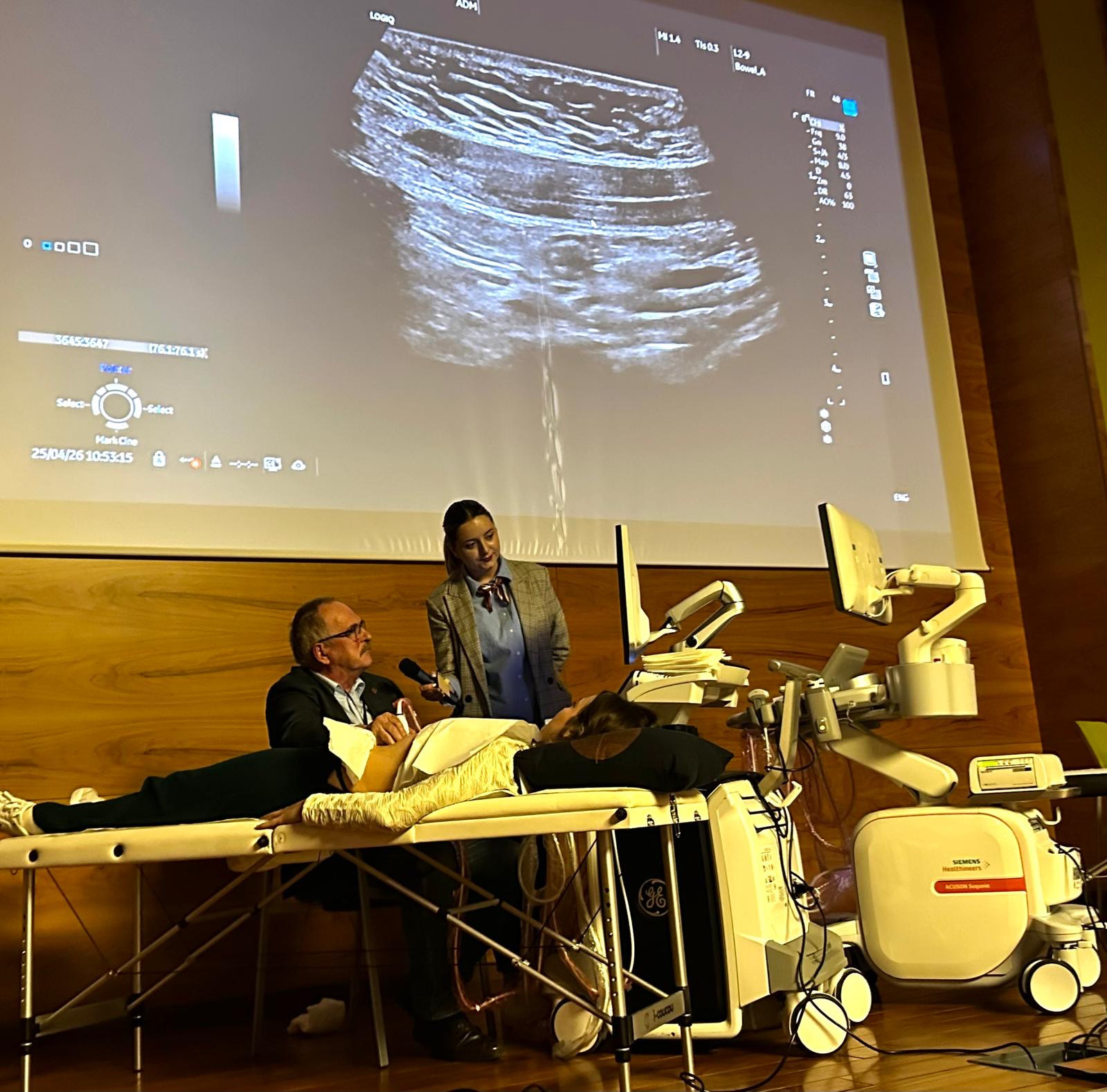
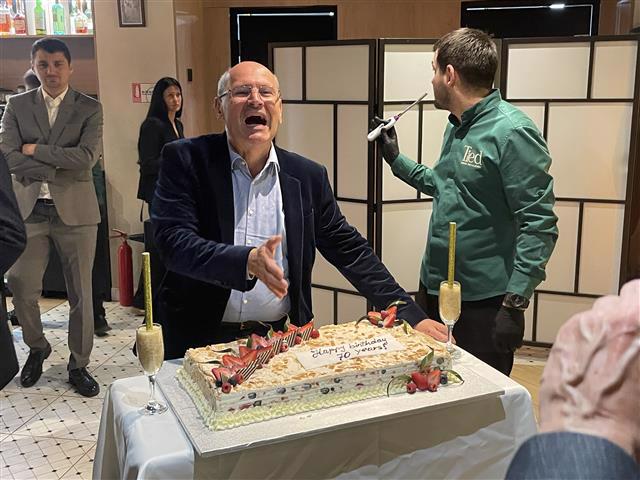
The dedicated team in Timișoara once again delivered an outstanding EUROSON School in April, entitled "From Basic Ultrasound to Advanced Ultrasound Techniques in Clinical Practice – The Multiple Faces of Ultrasonography." The three-day programme brought together participants from across Europe for a comprehensive educational experience, combining expert lectures with practical hands-on training across abdominal and small-parts ultrasound. The event was made even more special by the celebration of Professor Ioan Sporea's 70th birthday, honouring his remarkable contributions to ultrasound education and research in a memorable and fitting tribute. |
|
|---|
|
Latest Impact Factor Results
|
|
|---|
|
We are pleased to report that the Impact Factor for the EFSUMB journal,
Ultraschall in der Medizin – European Journal of Ultrasound, is 3.2. This latest result reflects the journal's continued scientific influence and the high quality of research published in its pages. The achievement is a testament to the dedication of our authors, reviewers, editors, and readers, whose contributions continue to strengthen the journal's international reputation in medical ultrasound. |
|
|---|
|
Professor Gail ter Haar Valedictory Symposium
– 12 June 2026 |
|
|---|
|
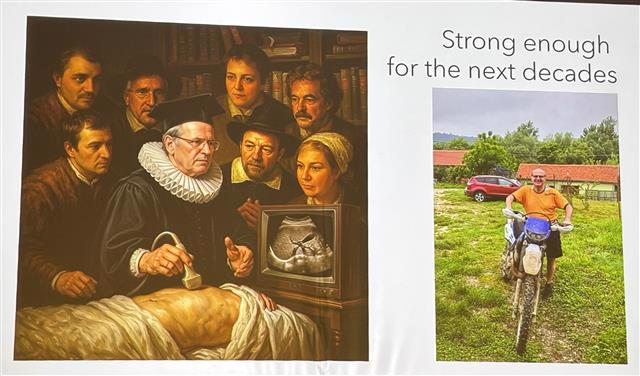
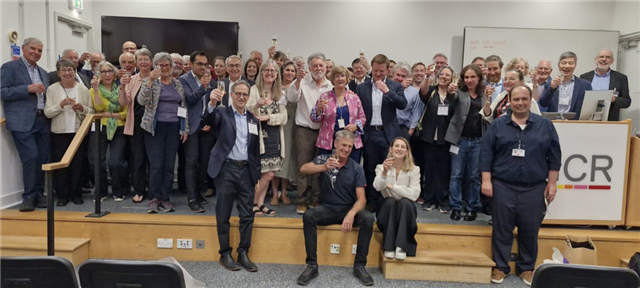
A Valedictory Symposium meeting held on 12 June 2026 was held at the Institute of Cancer Research in London.
It celebrated the scientific career of Professor Gail ter Haar, whose work has shaped the modern field of therapeutic ultrasound for almost 50 years.
Seventy colleagues from the UK and abroad, including friends and family participated in person and on line. Bringing together colleagues, collaborators, former students, and international leaders in focused ultrasound, the meeting highlighted both her scientific achievements and her lasting impact on generations of researchers and clinicians.
The talks during the day reflected some of the areas to which Gail has contributed : the use of histotripsy for the treatment of pancreatic cancer (Joan Vidal, Barcelona), thermal ablation for the treatment of cancers (Holger Gruell, Cologne), the stimulation of the immune response by ultrasound (Betsy Repasky, Buffalo, New York) and the treatment of essential tremor with focused ultrasound (Wady Gedroyc, London). The supervison of many students for their theses (Ian Rivens) and clinical work in Oxford (James Kennedy)
Other colleagues reflected on their collaborations and interactions with Gail both personal and academic.
The meeting concluded with reflections from Professor Larry Crum, who has known Gail for 43 years and is one of the pioneers of therapeutic ultrasound. His presentation placed Gail’s contributions within the broader history of the field, recognizing her as one of the key figures responsible for the resurgence and clinical success of therapeutic ultrasound in the twenty-first century and also reflected on the importance of her family life.
Throughout the day, a recurring theme was Gail’s ability to unite physicists, engineers, biologists, and clinicians around common scientific goals. The symposium was not only a celebration of an exceptional scientific career but also a testament to the international community she helped create and inspire.
Prof David Cranston D.Phil FRCS(Ed) FRCS(Eng)
Emeritus Ass Prof of Surgery University of Oxford
|
|
|---|
|
EUROSON School: Nerve and Muscle Ultrasound Teaching Course 2026 in Zurich (Switzerland) |
|
|---|
|
This year’s Nerve and Muscle Ultrasound Teaching Course took place from Friday 6 to Saturday 7 March 2026 at the Balgrist University Hospital in Zurich (Switzerland).
This year’s interdisciplinary and international faculty team consisted of experts from the fields of anaesthesia, neurology, rheumatology, radiology, hand surgery, paediatrics and anatomy from Switzerland, the Netherlands, Hungary, Austria and Spain.
Once again, we were able to inspire 161 participants—48 on-site and 113 online—from 17 countries
(Switzerland, Italy, the UK, Norway, Poland, Germany, Latvia, the Czech Republic, Slovakia, Hungary, Slovenia, Iraq, Egypt, Israel, Singapore, Malaysia, Brazil, Chile, Panama, Costa Rica and the USA) with lectures, hands-on workshops for the practical learning of sonographic anatomy using models and pathological sonographic findings in invited patients, as well as interactive ‘Ask the Expert’ sessions for online participants.
We have received 94% of course evaluations from on-site participants and 58% from online participants
(completing the course evaluation is a prerequisite for receiving credits CME!).
The event was rated by participants as follows:
(where 4 represents the best possible rating and 1 the worst) |
|
|---|
|
|
Publication of the update to CEUS Non-Hepatic Applications led by Professor Adrian Lim is imminent.
INVUS Update of 2015 guidelines is underway to be published as two papers
- Percutaneous diagnostic and therapeutic interventions: led by Dean Huang and Christoph Dietrich
- Endoscopic ultrasound diagnostic and therapeutic interventions: led by Pietro Fusaroli and Christian Jenssen
|
|
|---|
|
UPCOMING ENDORSED COURSES
|
|
|---|
|
|
|
Click on the banners to view > |
|
|---|
|
Missed a webinar event?
View our Webinar archive for links to all of the webinar presentations from recent events.
|
|
|---|
|
EFSUMB FUTURE CONGRESS NEWS
|
|
|---|
|
|
|
|